






What 2026 Midterm Markets Can You Bet On?
Discover what 2026 Midterm markets you can trade on Kalshi and Polymarket US. From House and Senate control to balance of power and down-ballot races, explore live election contracts and unlock up to $50 in bonuses with promo codes ODDSCHECKER and CHECK.
Sam Eaton - November 1, 2026, 12:00 PM EST
3 Minute ReadWhat 2026 Midterm Markets Can You Bet On?
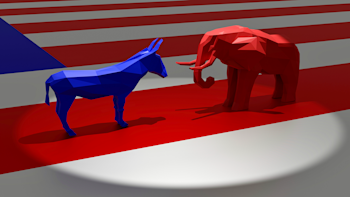
You can bet on far more than who wins Congress. Kalshi and Polymarket US, the two regulated prediction markets offering midterm trading, list markets on House and Senate control, combined balance of power, seat totals, individual Senate and governor races, the national vote margin, and even ballot measures. Polymarket alone has more than 560 midterm markets.
New users can trade any of them with a welcome bonus: Kalshi promo code ODDSCHECKER and Polymarket promo code CHECK, both available when you sign up through oddschecker.
Midterm markets at a glance
Market type | Kalshi | Polymarket | Example |
|---|---|---|---|
House control | Yes | Yes | Which party wins the House? |
Senate control | Yes | Yes | Which party wins the Senate? |
Balance of power | Yes | Yes | Democratic sweep, Republican sweep or split Congress |
Seat totals | Yes | Yes | How many Senate seats will Republicans hold? |
Individual Senate races | Yes | Yes | Texas Senate: Talarico vs Paxton |
Governor races | Yes | Yes | Ohio governor |
National House vote margin | Yes | Check app | Winning margin in the national House vote |
Swing-state groupings | Check app | Yes | Which Senate swing states will Republicans win? |
Ballot measures and local races | Check app | Yes | State referendums, mayoral races |
Market lists change often, and the Polymarket US app may not carry every market listed on Polymarket's international site, so check each app for what's live in your state.
House control
The most heavily traded midterm market. All 435 House seats are on the ballot and a party needs 218 for a majority. You buy Yes on the party you think will win. As of November 1, Democrats trade at about 92% on Kalshi and 94% on Polymarket. Kalshi's House market had traded about $171 million as November 1.
Senate control
The closer of the two chamber markets. Republicans hold the Senate 53-47, and with Vice President JD Vance breaking 50-50 ties, Democrats need a net gain of four seats to take control. Markets give Democrats about a 65% chance and Republicans about 35%.
Balance of power
These markets combine both chambers into a single outcome, so you can trade on exactly the result you expect. On Kalshi as of November 1, a Democratic sweep sits at 68%, a Democratic House with a Republican Senate at 27%, a Republican sweep at 7% and a Republican House with a Democratic Senate at 1%.
Seat totals
Instead of asking who wins, these markets ask by how much. You might trade on how many Senate seats Democrats hold after the election. They suit traders with a view on the size of a wave, not just its direction. Kalshi also runs themed markets on the scale of the result.
Individual Senate races
Kalshi flags Texas, Maine, Michigan, Ohio, Iowa, South Carolina and Kansas as the races most likely to decide the Senate. Texas is the most traded, with James Talarico (D) at 70% against Ken Paxton (R) at 31% on Kalshi as of November 1. Single races are often where traders with local knowledge find the most value.
The candidates in the four most-watched races:
- Texas: James Talarico (D) vs Ken Paxton (R)
- Michigan: Abdul El-Sayed (D) vs Mike Rogers (R)
- Ohio: Sherrod Brown (D) vs Jon Husted (R)
- Maine: Troy Jackson (D) vs Susan Collins (R)
Our Maine Senate odds breakdown goes deeper on one of the closest of them.
Governor races
36 states elect a governor this year, and both platforms list markets on the competitive ones. These tend to trade lower volume than the Senate races, so prices can move more on news.
Ohio is a good example. Kalshi lists a governor's race market and a combined market on Ohio's Senate and governor results together.
National House vote margin
Kalshi lets you trade on the margin in the national House vote, often called the generic ballot. Rather than a simple winner, you pick a range for how far ahead the winning party finishes.
Ballot measures, referendums and local races
Polymarket's midterm coverage reaches down the ballot to state referendums and selected local and mayoral races. Its Midterms Hub map lets you click into individual states and districts to find them.
Which market should you start with?
If you're new to prediction markets, start with House or Senate control. They have the most trading, so prices are tighter and it's easier to buy and sell. Once you're comfortable, individual races and seat totals give you more ways to act on a specific view.
Midterm markets FAQs
Can you bet on individual House races?
Both platforms list markets on selected races. Polymarket's Midterms Hub lets you drill down to individual districts. Coverage varies, so check the apps.
Can you bet on the midterms on a sportsbook?
No. Election markets are only available on CFTC-regulated prediction markets such as Kalshi and Polymarket US.
Which midterm market has the most volume?
House and Senate control are the busiest markets on both platforms.
Can I use a welcome bonus on any midterm market?
Yes. The Kalshi bonus credit from promo code ODDSCHECKER and the Polymarket trading bonus from promo code CHECK can both be used on midterm markets, subject to each platform's terms.
How many House seats are up for election in 2026?
All 435, along with 35 Senate seats and 36 governor races.
Can I bet on the 2028 presidential election too?
Yes. Markets on the 2028 race are already open. See our 2028 presidential election odds.
Odds are from Kalshi and Polymarket as of November 1, 2026, and change constantly. Kalshi and Polymarket US are CFTC-regulated exchanges. Age and state eligibility rules apply, and promo terms apply. The Polymarket offer is not available in Nevada. Trading event contracts carries a risk of loss. If you or someone you know has a gambling problem, call 1-800-GAMBLER.