Ranking the Top 10 Worst Quarterbacks to Make the Super Bowl in NFL History
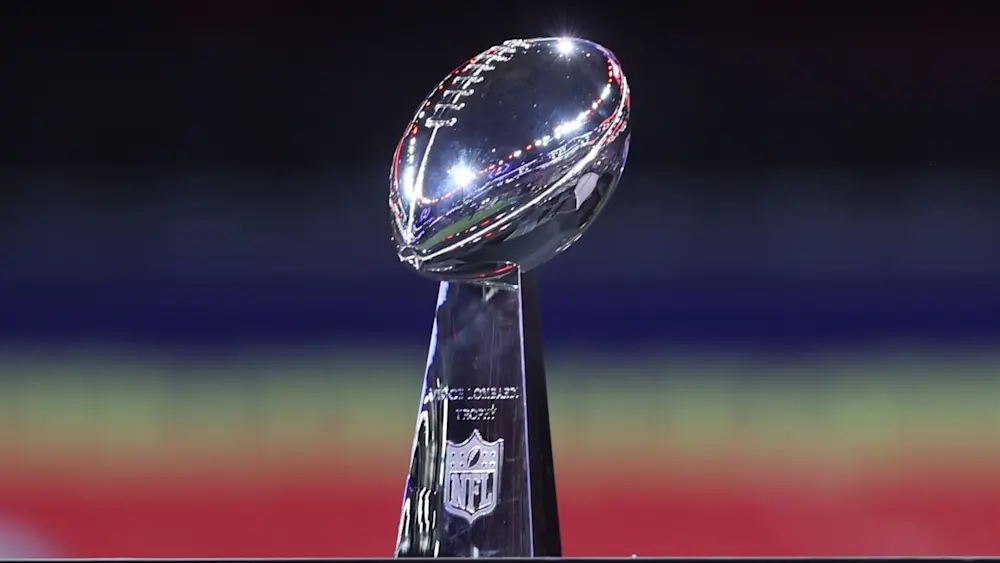
The Patriots and Seahawks will meet up on Sunday evening in Super Bowl 60, causing us to look back and see who were the worst quarterbacks to make a Super Bowl over the last six decades. Does Sam Darnold make the top 10 list? Peter Alexis breaks down the worst QB rankings in Super Bowl history.
Peter Alexis - February 5, 2026, 7:25 AM EST
4 Minute ReadDoes Sam Darnold Make List of Top 10 Worst Quarterbacks to Make a Super Bowl?
Some quarterbacks reach the Super Bowl because they dominate a season. Others get there because the roster around them is stacked with elite defenses, rushing attacks, or coaching. History shows that simply starting a Super Bowl does not always mean the quarterback was among the league’s best.
The Seahawks and Patriots will suit up on Sunday, February 8th, 2026, and many are commenting how the QB matchup is subpar compared to recent years. While that may be the case, and Sam Darnold may have some serious career inconsistencies, his play over the last two seasons is enough to keep him off this list. If he takes a career nose dive after this Super Bowl appearance, he can revisit the list in five years time.
Below are 10 of the weakest career quarterbacks to start a Super Bowl, judged by overall résumé, production, and how much they relied on the team around them to reach the biggest stage.
Looking for advanced AI predictions and props to enhance your NFL betting? Try out oddschecker+ now on this limited time 7-day free trial!
Top 10 Worst Super Bowl QBs
Trent Dilfer
Dilfer is the classic example of a quarterback carried to a title. The 2000 Ravens defense is widely considered one of the greatest ever, allowing him to manage games and avoid mistakes. He finished his career with more interceptions than touchdowns and never reached a Pro Bowl, yet owns a Super Bowl ring because Baltimore needed only steady play.
Brad Johnson
Johnson won with the 2002 Buccaneers thanks to another historically dominant defense. Like Dilfer, his job was efficiency rather than playmaking. He had a long, respectable career but was rarely viewed as a top tier starter and never produced elite statistical seasons.
Nick Foles
Foles authored an incredible playoff run and Super Bowl MVP performance, but his broader career tells a different story. He struggled to hold starting jobs before and after Philadelphia’s title season and finished as more of a high end backup than a franchise quarterback.
Rex Grossman
Grossman reached the Super Bowl with Chicago in 2006 behind an elite defense and strong running game. His inconsistency defined his career, highlighted by low completion rates and frequent turnovers. The Bears won in spite of volatility at quarterback rather than because of stability.
Kerry Collins
Collins had longevity and moments of success, but he was never consistently elite. His Super Bowl appearance with the Giants came during a season powered by defense and coaching. Across a long career he posted average efficiency numbers and bounced between teams.
Chris Chandler
Chandler started for the 1998 Falcons team that relied heavily on a dominant rushing attack and strong defense. Injuries and inconsistency marked much of his career. His Super Bowl run stands out as an outlier compared to otherwise modest production.
Stan Humphries
Humphries guided the Chargers to Super Bowl XXIX, but his career résumé remained thin. He produced limited high level seasons and retired without major accolades. San Diego’s run was driven more by roster balance than quarterback dominance.
Neil O’Donnell
O’Donnell was steady but unspectacular throughout his career. Pittsburgh’s Super Bowl season leaned on defense and structure rather than explosive quarterback play. He never developed into a long term elite starter despite solid fundamentals.
Mark Rypien
Rypien delivered one outstanding season in Washington’s 1991 championship run, surrounded by one of the most complete teams of the era. Outside of that peak year, his production and staying power were limited, making his title season feel isolated.
Joe Kapp
Kapp reached the Super Bowl with the Vikings during the late 1960s, powered by the famed Purple People Eaters defense. His passing numbers were modest even for the era, and his career was short compared to most championship quarterbacks.
More NFL Odds
Affiliate Disclosure.
We are not a gambling or betting operator, but we receive a commission from these companies when we advertise their brands and refer customers to them (affiliate marketing). We provide information, odds information and links to websites of these companies. Some of the information made available on our site may be positioned as a result of a commission paid to us by a third party. We do not take or place bets/transactions and any information on Our Products is provided for entertainment purposes only.