Our racing expert makes his choice for the Royal Ascot curtain raiser.
Usually speaking, the best time to catch bookmakers without their guard up is directly in the aftermath of a trial race, when the odds compilers haven’t had a chance to digest properly what they’ve just witnessed or, due to lack of liquidity, had enough time to crosscheck with Betfair to see what prices they should be offering after the participants have crossed the line. In essence, it’s bookmaking in its truest form and it provides quick-thinking punters with an opportunity to do the work and react sharper with the information they have to hand and potentially catch the layers with their trousers down.
Paisley Park’s success in the Cleeve Hurdle at Cheltenham last jump’s season was a classic example of this notion, as straight after the race, William Hill went a standout 6-1 when most of their counterparts were considerably shorter (majority around the 5-2 mark). Clearly not as impressed as everyone else in the racing game, the number crunchers in the offices of the Leeds-based firm were quite willing (probably to small beer) to stand Emma Lavelle’s gelding for the Stayers Hurdle a month later largely due to the fact they just didn’t have the sufficient data to put the correct price up in relation to his actual achievements on the day. Within two days, they fell back in line with all other firms, quoting 7-4 for the Festival showpiece on day three, and that just highlights how vulnerable bookmakers can be when asked to think quick on their feet without all their usual home comforts to hand.
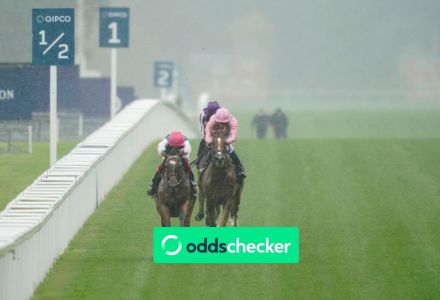
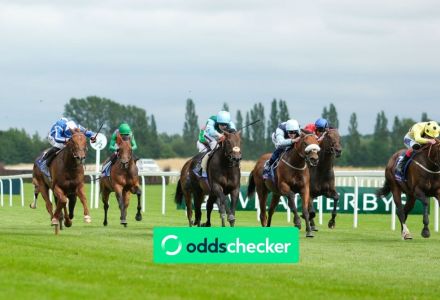
The same reaction also applied to last weekend’s Lockinge Stakes at Newbury and although you can’t argue that the winner, Mustashry, was a good winner on the day, there’s good reason to believe his current price represents just the bare result and the finishing positions and not how the race panned out in his favour, and against many others.
Firstly, let’s deal with the track bias at the Berkshire venue and for many seasons now it’s been universally excepted that the middle of the course has largely been the place to be down the straight and for those that are drawn towards the nearside rail, there seems to be a huge disadvantage. Drawn in stall five in the Group 1, this allowed Jim Crowley to slot into the perfect position right behind the tip of the arrow as the field made their way down the home straight and, as a result, he was able to challenge at the right moment on his mount when the pace setters dropped away before going on to record a comfortable win. Obviously, he was prepared by his canny handler to be in tip-top shape on the day, but whether he would have been able to run to that level had he been drawn in stall 13 or 14 let’s say, is very debatable, and this is where the argument for him being a poor price at Ascot lies.
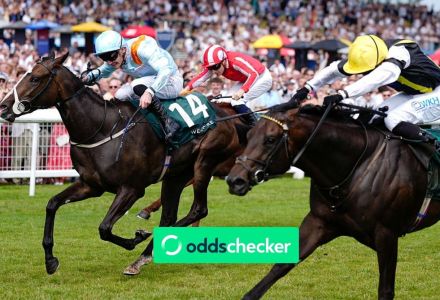
In most big races when there’s not a great deal between the main players, track position is king and this was a classic example of the perfect storm developing in order for him to score in the manner he did. You only have to look at the same race the year before to see a similar scenario unfold, when Rhododendron took advantage of tracking stable mate Deauville in the right part of the track before going on to victory. Poorly drawn at Ascot a month later (14 of 14), she was unable to confirm form with not only runner-up at Newbury, Lightening Spear, but also Accidental Agent, who ran out a shock 50-1 winner on their return clash despite having caught the eye running on best of those that raced on the slower ground towards the nearside rail at the Berkshire track.
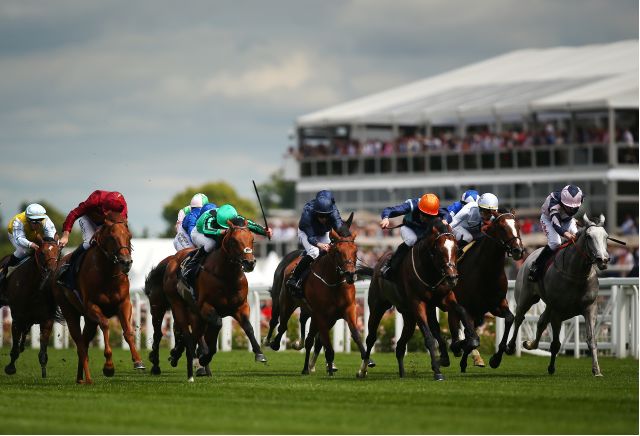
At that leads us neatly on to LE BRIVIDO’s display out of this year’s renewal and how well he ran despite being housed in the coffin 14 box out in the reeds. Having no choice but to be dropped out in order to get some early cover from his un-favoured stall position, it meant Aidan O’Brien’s five-year-old was well behind as the field swept past halfway and even at that point, it was already plain to see his task was a hopeless one. His prospects were then further compounded when he had to switch right past the fading Lord Glitters and Without Parole at the two-furlong pole and in doing so, it meant he was forced to run the latter part of the race a good bit away from where the main action was taking place and on the perceived slower ground. The way he finished off his race, however, strongly suggested that he would have been a significant player had he received fewer hammer blows and it’s clear by bookmaker reaction that he’s been totally and unjustifiably, seriously underestimated in the ante-post lists.
If you look at bet365’s 14-1 quote compared to Mustashry’s 5-1, they are basically saying the son of Siyouni is three times as unlikely to score at Royal Ascot than his old rival when all the evidence of what we witnessed at Newbury is suggesting otherwise. Now obviously the draw at Ascot is also going to have a major bearing on the result in the curtain-raiser in a month’s time and he may end up not getting the rub of the green on that front again, but either way, he simply can’t be a 14-1 chance in this world based on not only that run on his latest outing, but many other previous performances. Winner of the 2017 Jersey Stakes at the Royal meeting, he also was runner-up in the French 2000 Guineas over a mile in the same season. Having also run a big race from a bad draw at Naas on his first start for new connections (again a long way behind at halfway), it’s clear that this classy sort is right on top of his game at present, without the results necessarily suggesting that’s the case, and hailing from a yard that has a fair record in the race over the years, LE BRIVIDO (best price 14-1) is just too good a horse to go unbacked at his current price.