




2028 Republican Nominee Odds: JD Vance Tumbles After Midterm Disaster, Marco Rubio, Ron DeSantis Rise
The 2028 Republican presidential nomination race has experienced a dramatic shakeup following the party's sweeping midterm election defeats, with Vice President JD Vance losing ground while Florida Gov. Ron DeSantis surges back into contention. Can Vance overcome the political fallout surrounding the Trump administration, or will Republicans turn toward DeSantis or Secretary of State Marco Rubio as the party searches for a new direction? Check out the latest 2028 Republican presidential nominee odds and prediction-market outlook for Wednesday, November 4.
Peter Alexis - November 5, 2026, 11:38 AM EST
4 Minute Read2028 Republican Presidential Nominee Odds: Ron DeSantis Surges as JD Vance Stumbles After Midterm Disaster
The race for the 2028 Republican presidential nomination has undergone a significant post-election shakeup, with Vice President JD Vance's once-commanding prediction-market advantage narrowing following the GOP's devastating performance in Tuesday's midterms. Vance is now priced at 30%, down five percentage points, while Secretary of State Marco Rubio sits at 22% and Florida Gov. Ron DeSantis has surged to 17% after gaining more than 12 percentage points.
The movement comes after Democrats captured both chambers of Congress and flipped Senate seats in traditionally Republican states, raising questions about the party's political direction heading into 2028. Florida provided one of the few notable Republican bright spots, with Byron Donalds winning the governorship, although his narrow victory contrasted sharply with DeSantis' overwhelming reelection margin in 2022.
Bet on the next Republican Nominee and more politics props with Kalshi Here
2028 Republican Nominee Odds Breakdown
Candidate | Implied Probability |
|---|---|
JD Vance | 30% |
Marco Rubio | 22% |
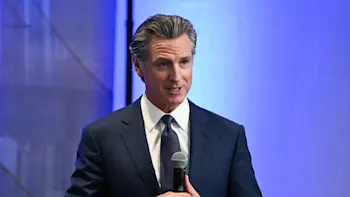
Ron DeSantis | 17% |
2028 Republican Nominee Odds Breakdown
JD Vance: 30% Chance
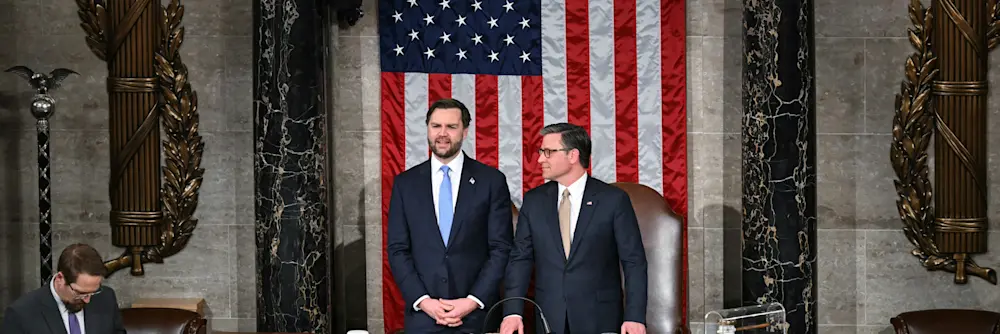
Vance enters the post-midterm political environment with a 30% market-implied chance of winning the 2028 Republican nomination, down from approximately 35% entering Election Day. The vice president maintained a relatively stable position in the mid-to-upper 30s throughout October before experiencing a sharp decline as Republican losses accumulated Tuesday night.
As Trump's vice president and a central figure in the administration, Vance has long been viewed as a potential successor to the president's political movement. His national profile, relationships with conservative activists and alignment with the administration's economic and immigration policies have helped establish his position in the early nomination market.
However, the midterm results have introduced new questions about how closely the Republican Party will want its 2028 nominee associated with Trump's second term. Democrats captured both chambers of Congress while winning Senate races in states including Texas, Iowa, Kansas and Ohio, demonstrating a substantial shift from the Republican victories recorded in 2024.
Vance has acknowledged the party's defeat and pointed specifically to the unpopular war with Iran as a major factor in the outcome. His comments highlight an emerging debate within Republican politics over whether the party should maintain the administration's existing direction or reconsider parts of its political and policy agenda before the next presidential election.
Marco Rubio: 22% Chance
Rubio is priced at a 22% market-implied chance of securing the Republican nomination, placing him between Vance and DeSantis in an increasingly competitive three-way contest. His price has remained relatively stable during the immediate post-election period, declining just one percentage point while Vance has experienced a more substantial drop.
The former Florida senator currently serves as Trump's secretary of state, giving him a prominent position within the administration while maintaining a political identity shaped by his previous congressional career. Rubio also competed for the Republican presidential nomination in 2016, providing experience in national campaigning that distinguishes him from several potential first-time contenders.
Rubio's political background could become relevant if Republicans begin debating whether their next nominee should emphasize a different governing style. His experience in foreign policy, relationships with establishment Republicans and more conventional political presentation offer a contrast with Vance's stronger identification with the populist movement that helped return Trump to the White House.
However, Rubio's Cabinet position also ties him directly to the administration's record, particularly on foreign policy and the war with Iran. Any effort to distinguish himself from the outgoing administration would need to account for his prominent role in implementing its international agenda.
Ron DeSantis: 17% Chance
DeSantis has emerged as the biggest mover in the Republican nomination market, climbing more than 12 percentage points to 17% following Tuesday's election. The Florida governor had traded around 4% to 5% for much of the previous week before his market-implied chance surged above 20% briefly on Election Night and subsequently settled in the upper teens.
The movement coincides with Florida remaining under Republican control during an otherwise difficult election for the GOP. Republican Byron Donalds defeated Democrat David Jolly to succeed DeSantis as governor, while Republicans also retained the state's Senate seat, providing a contrast with Democratic gains across much of the country.
However, Florida's Republican victories came with significantly narrower margins than the party enjoyed four years earlier. Donalds defeated Jolly by approximately 1.3 percentage points, compared with DeSantis' nearly 20-point gubernatorial victory in 2022, illustrating how dramatically the state's electoral environment has changed.
DeSantis previously sought the 2024 Republican presidential nomination before withdrawing and endorsing Trump, but his extensive experience as governor and established national profile remain relevant to a potential second campaign. With his term ending in January 2027, DeSantis will also have more flexibility to pursue national political activity as the Republican primary cycle approaches.
Will Republicans Distance Themselves From Trump After the 2026 Midterms?
The Republican Party's sweeping defeat has created a new political environment ahead of the 2028 presidential election. Democrats gained control of the House and Senate while winning races in states that supported Trump comfortably in 2024, raising questions about whether the results reflect temporary dissatisfaction with the administration or a more lasting change in voter preferences.
That distinction could become central to the next Republican primary. Vance represents the most direct continuation of the current administration's political approach, while Rubio and DeSantis bring different backgrounds and governing experiences despite also maintaining close relationships with Trump and his supporters.
The historical comparison is particularly important because parties often reconsider their strategies following significant national defeats. Republicans faced similar questions after Barack Obama's reelection in 2012, while Democrats experienced internal debates over their political direction following Hillary Clinton's loss in 2016 and Kamala Harris' defeat in 2024.
However, the Republican electorate that selects the 2028 nominee will not necessarily resemble the broader electorate that participated in the 2026 midterms. Trump has maintained substantial influence among Republican primary voters, and the eventual contest will depend on candidate decisions, campaign organization, fundraising and how party members assess the administration's record.
2028 Republican Presidential Election Outlook: A New Three-Way Race Emerges
The latest prediction-market movement has transformed what was previously a more comfortable advantage for Vance into a competitive early contest involving three prominent Republican figures. Vance remains priced at 30%, but Rubio's 22% and DeSantis' 17% demonstrate how much closer the market has become following the party's midterm defeat.
DeSantis' resurgence represents the most significant immediate change, particularly after his unsuccessful 2024 presidential campaign and relatively limited market activity throughout much of 2026. Meanwhile, Rubio's position reflects continued interest in his national political experience, even as his role in the Trump administration creates its own challenges.
The market has generated more than $79 million in reported trading volume, reflecting substantial interest in a nomination contest that remains nearly two years away. These percentages represent market-implied chances rather than primary polling or confirmed campaign support, and none of the three leading figures has formally entered the 2028 race.
For Republicans, the central political question is whether the party will seek continuity with Trump's governing agenda or move toward a different approach following the Democrats' sweeping congressional victories. The early nomination market has already begun adjusting to that uncertainty, with Vance losing ground and DeSantis reentering the conversation as the party prepares for its first presidential election without Trump as its expected nominee since 2016.
More of oddschecker