We run through 10 of the most iconic matches in World Cup History.
1. Uruguay 2–1 Brazil (1950) – “The Maracanazo”
16 July 1950, Maracanã Stadium, Rio de Janeiro
Few matches in football history stir the emotions quite like this one. The 1950 World Cup was Brazil’s to lose, and the entire nation was swept up in anticipation. All they needed was a draw on home soil to be crowned champions. The mood was so confident it bordered on arrogance.
When Friaça scored early in the second half, the Maracanã erupted. It felt like the script was complete and the celebrations could begin. But Uruguay, inspired by their captain Obdulio Varela’s unbreakable spirit, had other plans. Juan Alberto Schiaffino silenced the crowd with an equaliser, and then Alcides Ghiggia delivered the final, heartbreaking blow.
The silence that followed was deafening and unforgettable. Brazil’s goalkeeper, Moacir Barbosa, unfairly carried the weight of the nation’s grief for decades. That single defeat didn’t just cost Brazil a trophy—it changed their footballing identity forever, leading to the now-iconic switch from white shirts to the vibrant yellow kit.
This wasn’t just a football upset, it was a wound to the national soul, a trauma Brazilians would carry for generations.
2. West Germany 3–2 Hungary (1954 Final) – “The Miracle of Bern”
4 July 1954, Wankdorf Stadium, Bern
Hungary’s “Mighty Magyars” were football’s most dominant force, unbeaten in 32 games and tactical pioneers of the modern game. They had already humiliated West Germany 8–3 earlier in the tournament.
When Ferenc Puskás helped Hungary race into a 2–0 lead inside eight minutes, the final looked like a formality.
But in heavy rain, West Germany mounted a stunning comeback. Helmut Rahn’s late winner sealed a 3–2 victory in what became known as “The Miracle of Bern.”
The result had significance far beyond football - it symbolised West Germany’s post-war recovery and national rebirth. For Hungary, it marked the tragic end of one of the greatest teams never to win the World Cup.
3. England 4–2 West Germany (1966 Final)
30 July 1966, Wembley Stadium, London
England’s only World Cup triumph remains one of the most debated and celebrated matches in history.
After a tense 90 minutes ended 2–2, the game turned in extra time. Geoff Hurst’s second goal — which struck the crossbar and bounced near the line - was controversially awarded, a decision still debated today.
Hurst completed his hat-trick late on, prompting one of football’s most famous commentary lines.
Beyond the controversy, this match defined English football’s identity and remains its greatest international achievement.
4. Italy 4–3 West Germany (1970 Semi-final) – “Game of the Century”
17 June 1970, Estadio Azteca, Mexico City
Played at altitude in Mexico City, this semi-final is widely regarded as the greatest match in World Cup history.
Italy led 1–0 for almost the entire game before Karl-Heinz Schnellinger equalised in the 90th minute - his only international goal.
What followed was extraordinary. Five goals in extra time, relentless attacking, and complete tactical abandonment. Franz Beckenbauer famously continued playing with a dislocated shoulder.
The match became a monument to football drama, immortalised outside the Azteca with a plaque commemorating its significance.
5. Brazil 4–1 Italy (1970 Final)
21 June 1970, Estadio Azteca
If the semi-final was chaos, the final was perfection.
Brazil’s 1970 side is often considered the greatest team ever assembled. Led by Pelé, they combined flair, intelligence, and cohesion.
The defining moment came with Carlos Alberto’s goal - a sweeping move involving multiple players that epitomised “joga bonito.”
This wasn’t just a victory - it was a statement of how football could be played at its absolute best.
6. Italy 3–2 Brazil (1982) – The Fall of Beauty
5 July 1982, Sarrià Stadium, Barcelona
Brazil’s 1982 side is often described as the greatest team never to win the World Cup. With Zico, Sócrates, and Falcão, they played attacking football of unmatched beauty.
They only needed a draw to progress.
Paolo Rossi had other ideas. His hat-trick exposed Brazil’s defensive fragility and sent Italy through.
This match remains one of football’s most philosophical debates — should beauty or pragmatism win?
7. West Germany 3–3 France (1982 Semi-final) – “Night of Seville”
8 July 1982, Ramón Sánchez Pizjuán, Seville
One of the most dramatic and controversial matches ever played.
France led 3–1 in extra time and looked certain to reach the final. West Germany responded with two goals to force penalties.
The match is equally remembered for Harald Schumacher’s brutal collision with Patrick Battiston - one of the most infamous moments in football history.
It combined brutality, brilliance, and psychological drama like few games before or since.
8. Argentina 2–1 England (1986 Quarter-final)
22 June 1986, Estadio Azteca
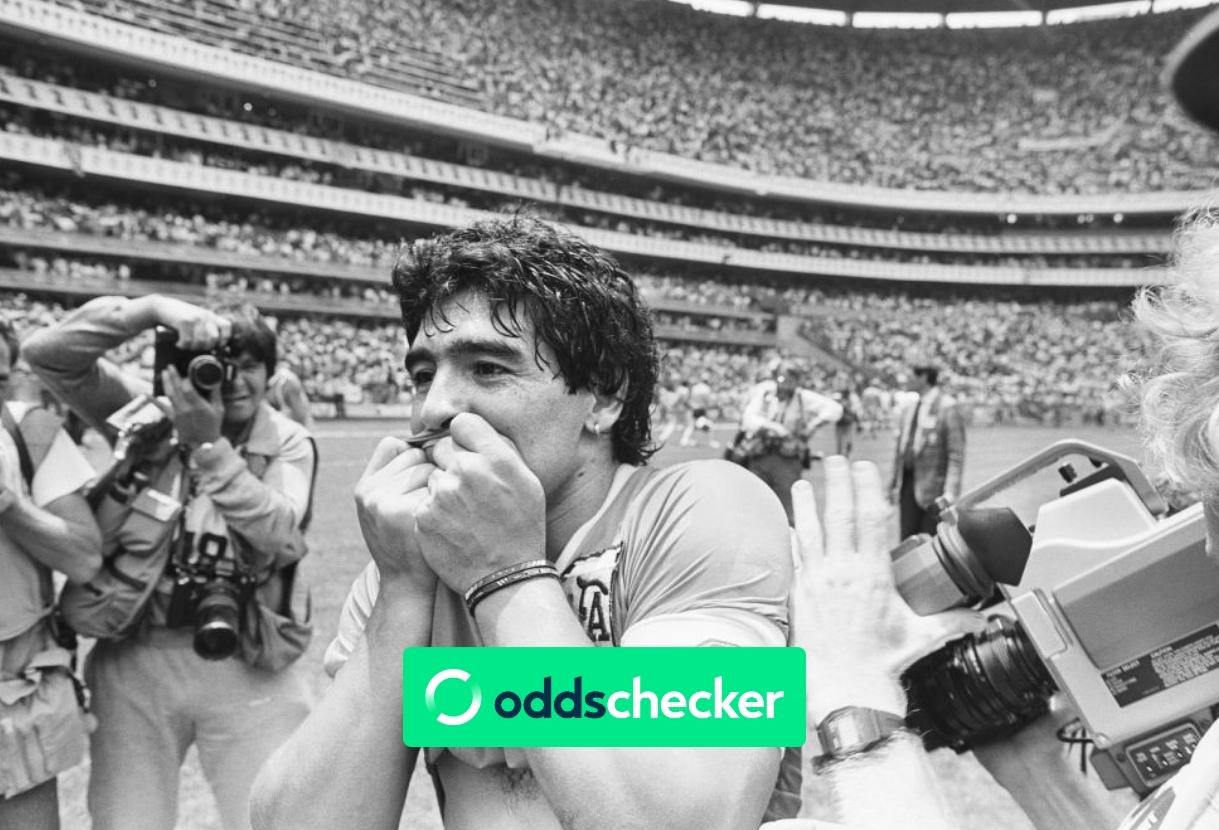
This match belongs entirely to Diego Maradona.
In the space of four minutes, he scored two goals that defined his career - and football history.
The first, the “Hand of God,” was blatant cheating. The second, the “Goal of the Century,” was arguably the greatest solo goal ever scored.
Set against the political backdrop of the Falklands War, the match carried extra emotional intensity.
It is the ultimate example of football’s capacity for both controversy and genius.
9. Germany 7–1 Brazil (2014 Semi-final) – “Mineirazo”
8 July 2014, Belo Horizonte
No one expected this. Not the fans, not the players, not even Germany.
Brazil, playing at home, collapsed completely. Germany scored five goals in the opening 29 minutes, including four in a six-minute spell.
It was Brazil’s heaviest defeat in history - and a psychological echo of 1950.
The scale of the humiliation, combined with the global stage, makes this one of the most shocking matches ever played.
10. Argentina 3–3 France (2022 Final)
18 December 2022, Lusail Stadium
The modern classic.
Argentina appeared in complete control at 2–0 before Kylian Mbappé scored twice in two minutes.
In extra time, Lionel Messi restored Argentina’s lead - only for Mbappé to complete a hat-trick.
The final went to penalties, where Argentina prevailed.
It is widely considered the greatest World Cup final ever - a perfect blend of narrative, quality, and drama, with Messi finally completing his legacy.