World Cup 2026: Red Cards Guide & Predictions
The 2026 FIFA World Cup is only one match old and already the red card markets are attracting attention.
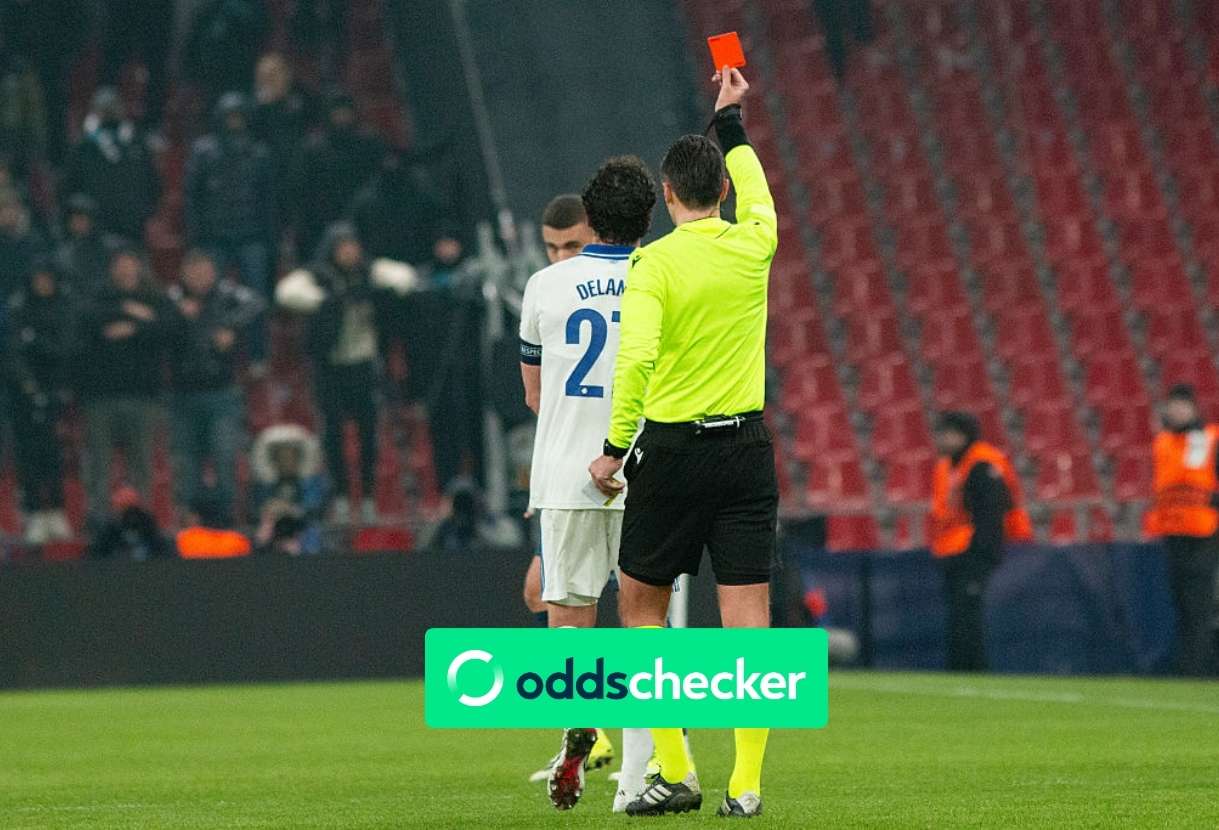
Mexico's 2-0 win over South Africa produced three dismissals, a remarkable figure considering the entire 2022 World Cup featured just four red cards across all 64 matches. Incredibly, one game has already produced 75% of Qatar 2022's total.
For bettors eyeing the tournament red card markets, the question is obvious: are we witnessing the start of a particularly ill-disciplined World Cup, or simply an outlier?
What is the Record for Most Red Cards at a World Cup?
The highest number of red cards ever shown at a men's FIFA World Cup came in Germany 2006, where referees dismissed 28 players across the tournament. That remains comfortably clear of every World Cup since records began.
The most red cards in a single World Cup tournament:
- Germany 2006: 28
- France 1998: 22
- Korea/Japan 2002: 17
- South Africa 2010: 17
- Italy 1990: 16
- USA 1994: 15
- Brazil 2014: 10
- Russia 2018: 4
- Qatar 2022: 4
The trend is impossible to ignore. Modern World Cups have generally become far cleaner affairs, with both Russia 2018 and Qatar 2022 producing only four red cards apiece.
The Battle of Nuremberg Still Stands Alone
When discussing World Cup discipline records, one match towers above the rest.
Portugal's infamous Round of 16 clash with the Netherlands at the 2006 World Cup remains the most ill-tempered match in tournament history. Nicknamed the "Battle of Nuremberg", referee Valentin Ivanov produced four red cards and 16 yellow cards in a contest that frequently descended into chaos.
The four dismissals remain the record for a single World Cup match.
Mexico vs South Africa came surprisingly close to matching it on opening night, producing three red cards and a host of flashpoints throughout the second half.
Why 2026 Could Produce More Red Cards
There are several reasons why the 2026 tournament could trend higher than recent editions.
Firstly, there are simply more matches. The expanded 48-team format means 104 matches compared to the 64 played in Qatar four years ago. More games naturally create more opportunities for suspensions and dismissals.
Secondly, many of the tournament's debutants and emerging nations rely heavily on physicality and defensive organisation when facing elite opponents. Tactical fouls, professional fouls and last-man challenges become more common when teams are spending long periods without possession.
Finally, VAR continues to increase the likelihood of serious incidents being reviewed and upgraded. Challenges that may once have escaped punishment now receive forensic scrutiny.
What Do the Historical Numbers Suggest?
While the opening match may tempt bettors towards the overs market, history offers a note of caution.
World Cups have generally become less violent over the past two decades. The 28 red cards shown in 2006 now look like an anomaly rather than a benchmark. FIFA has increasingly encouraged referees to manage games through preventative officiating and yellow cards rather than reaching immediately for red.
However, the expansion to 104 matches means even maintaining the same red-card-per-match rate as previous tournaments would likely lead to a higher raw total than 2018 or 2022.
Teams With the Most Red Cards in World Cup History
While Brazil are often associated with flair, creativity and attacking football, the Seleção also hold an unwanted World Cup record. No nation has accumulated more red cards in the history of the tournament.
The teams with the most red cards at men's FIFA World Cups are:
- Brazil — 11
- Argentina — 10
- Cameroon — 9
- Uruguay — 9
- Netherlands — 8
- Italy — 8
- Germany — 8
- Portugal — 6
- Mexico — 6
- France — 6
- Hungary — 5
Brazil's position at the top of the list is partly a consequence of longevity. No nation has played more World Cup matches, meaning they've naturally had more opportunities to collect dismissals over the decades.
A more revealing statistic comes from Cameroon. The Indomitable Lions have picked up nine red cards in just 26 World Cup matches, averaging a sending-off every 2.9 games. That is comfortably one of the highest disciplinary rates among nations with multiple tournament appearances and reflects their reputation for playing on the edge in some of the World Cup's most fiercely contested matches.
Uruguay also rank highly on the list, which will come as little surprise given the nation's long-standing association with the fiercely competitive spirit of garra charrúa. Argentina, meanwhile, sit second overall with 10 dismissals despite being one of the tournament's most successful nations.
At the opposite end of the spectrum, Japan boast one of the most impressive disciplinary records in World Cup history. The Samurai Blue have played 25 World Cup matches without receiving a single red card, more games than any other nation to have never had a player sent off at the tournament.
So How Many Red Cards Could We See?
A repeat of Qatar's total of four already looks unlikely given that three have been shown after just one match.
Breaking the all-time record of 28 appears a much tougher task, but it is not impossible. With 104 matches to be played and tensions likely to increase once the knockout rounds begin, a finish somewhere between 12 and 20 red cards feels a more realistic projection based on recent trends and the expanded format.
The betting market will ultimately come down to one question: was Mexico vs South Africa a sign of things to come, or merely a chaotic opening-night exception?
After one game, the over backers certainly have reason for optimism.
Best Bet: Exactly 12 Red Cards - 0.5pts @ 14/1 (bet365)