
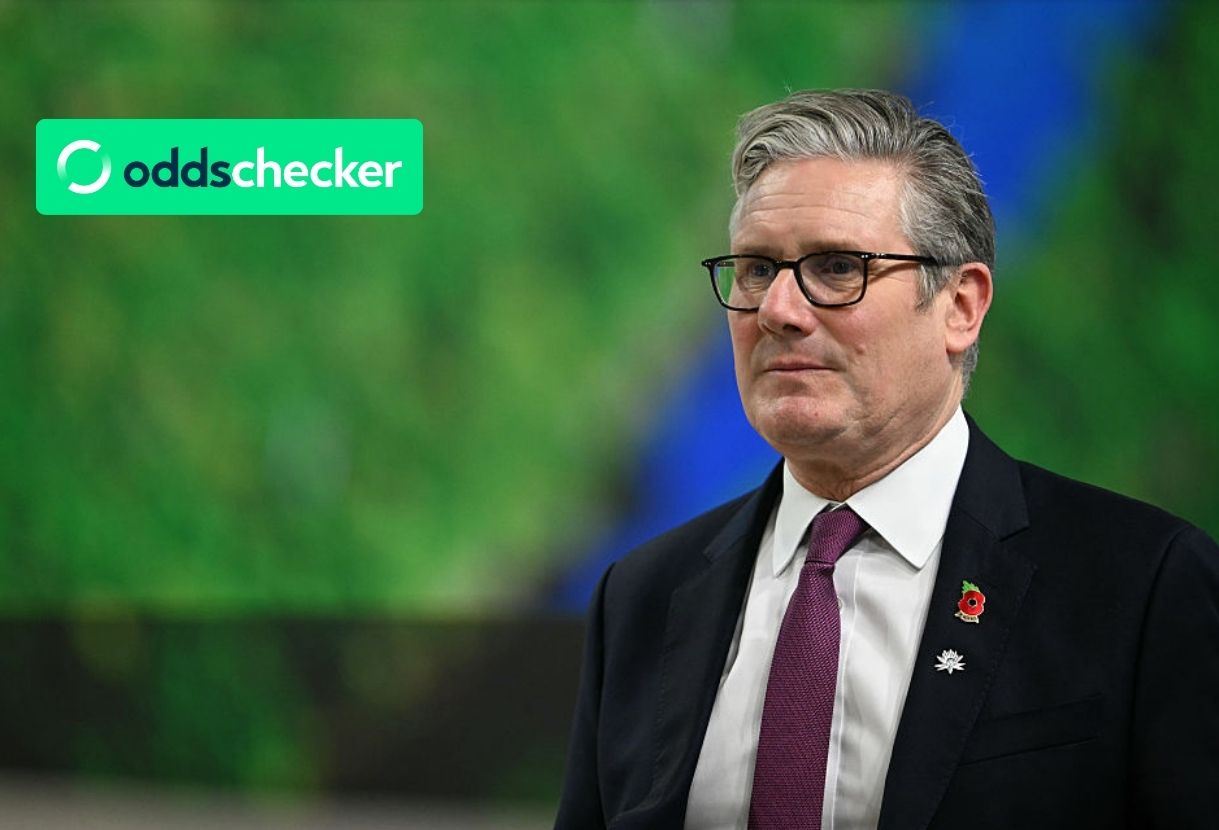
Keir Starmer’s grip on power is weakening fast and his future as prime minister now looks increasingly uncertain.
Keir Starmer’s premiership has entered its most unstable phase yet.
The decision to appoint Peter Mandelson as US ambassador - despite known concerns over his past links to Jeffrey Epstein - triggered a backlash that rapidly spiralled beyond a single appointment. The fallout has exposed serious questions about Starmer’s judgement, his reliance on a tightly controlled inner circle and his failure to command confidence across the Parliamentary Labour Party.
The resignation of his chief of staff, Morgan McSweeney, was intended to draw a line under the controversy, but instead stripped the prime minister of his chief strategist, enforcer and political shield.
With union leaders openly calling for change, MPs briefing against him and rivals quietly positioning themselves, Starmer now finds himself fighting not just a scandal, but a broader perception that his authority is ebbing away.
When Will Keir Starmer Resign? Exit Date Odds
| Exit Date | Odds | Bookmaker |
|---|---|---|
| 2026 | 1/7 | Ladbrokes |
| 2027 | 8/1 | Ladbrokes |
| 2028 | 12/1 | BetVictor |
| 2029 or Later | 10/1 | Betfred |
Scottish Labour leader Anas Sarwar has called for Sir Keir Starmer to step down, citing a leadership that “has to change” despite acknowledging the government’s achievements. The resignations of multiple communications chiefs, including Tim Allan and McSweeney, have intensified pressure on Starmer, with critics arguing it reflects a loss of control in Downing Street.
Starmer has insisted he will press on, and Downing Street continues to deny that his position is immediately untenable. But politically, the loss of McSweeney matters far more than a standard staff departure. For years, Starmer’s leadership has relied on tight central control and ruthless message discipline. With that structure fractured, responsibility now lands squarely on the prime minister himself.
The most likely pressure points are electoral rather than immediate procedural challenges. The upcoming Gorton and Denton by-election and the May local elections are shaping up as a de facto confidence vote. Heavy losses would deprive Starmer of the argument that, whatever the internal unrest, he remains electorally viable. Several MPs privately suggest that resignation framed around electoral defeat would be less damaging than being forced out by scandal or an internal coup.
A leadership challenge remains possible if a rival can secure the backing of 20% of Labour MPs, but the bigger risk for Starmer is cumulative erosion: poor polling, hostile briefings, union pressure and the growing sense that the party is already thinking beyond him.
In betting terms, the window between late spring and early summer 2026 looks the most realistic exit point if results go badly.

Betfred
- Huge range of regular promotions
- 24/7 live chat service
- PickYourPunt builder for custom bets
Who Could Replace Starmer as Labour Leader/Next PM?
| Candidate | Odds | Bookmaker |
|---|---|---|
| Angela Rayner | 5/2 | Betfred |
| Wes Streeting | 11/2 | StarSports |
| Ed Miliband | 13/2 | BetMGM |
| Shabana Mahmood | 9/1 | Betfred |
| Andy Burnham | 14/1 | Unibet |
Speculation around Starmer’s successor has shifted from theoretical to practical, with several senior figures quietly positioning themselves.
Angela Rayner (5/2 with Betfred) is once again central to the conversation. Despite resigning from government last year, she retains strong union backing and credibility with the party’s soft left. Her recent willingness to publicly defy the leadership over Mandelson-related transparency has been widely read as a signal rather than a protest. If Labour members want a clear break from the current culture, Rayner fits that mood.
Andy Burnham (14/1 with Unibet) remains a formidable external threat. His popularity in Greater Manchester, combined with frustration over being blocked from standing in a recent by-election, has only sharpened perceptions that the party machine fears him. If Starmer falls, Burnham would enter any contest as a unity candidate with strong grassroots appeal.
Wes Streeting (11/2 with Starsports) is the most obvious continuity option. Media-savvy, combative and unapologetically centrist, he would pitch himself as a sharper, more communicative version of Starmer. However, his ideological positioning may struggle to unite a fractured party, particularly if the membership mood swings leftwards.
Shabana Mahmood is viewed as a credible dark horse. Respected across the party and quietly endorsed by senior figures in the past, she could emerge as a compromise candidate if the race becomes polarised.
Ed Miliband’s name continues to circulate on the left. Once written off, he has rebuilt authority through his climate agenda and could benefit from a desire to decisively move away from Blair-era politics.

Skybet
- 24/7 live chat support
- Some of the best price boosts in the market
- Intuitive user experience
Who is Favourite to Win the Next General Election?
| Party Most seats | Odds | Bookmaker |
|---|---|---|
| Reform UK | 19/20 | AKBets |
| Labour | 14/5 | AKBets |
| Conservatives | 9/2 | StarSports |
| Green | 20/1 | Unibet |
| Liberal Democrats | 50/1 | Various |
If an election were held tomorrow, Labour’s position would look precarious (14/5 with AkBets). The party’s polling advantage has steadily eroded, and voter trust has taken a hit amid perceptions of elitism, poor judgement and internal chaos. Whether Starmer stays or goes, Labour faces a credibility reset.
A leadership change could stabilise the picture, particularly if it allows Labour to reconnect with disillusioned voters and trade union supporters. But a messy or protracted contest risks reinforcing the narrative of a party at war with itself.
Reform UK looks well positioned to make a significant impact in the next general election 19/20 favourites with AKbets. The party enjoys its strongest support among older voters, Leave supporters, those with lower educational attainment, and routine or manual workers, with backing often exceeding 35% in these groups. Their appeal has grown since 2024, with high voter retention and gains concentrated where they were already strong. While their support is weaker among younger, degree-educated, and higher-income voters, the party’s consistent base and recent high-profile defections from the Conservatives suggest they could seriously challenge the Tories in key areas.