Keir Starmer's resignation has sparked fresh debate over whether Labour's next leader should seek a public mandate through a General Election before taking over in Downing Street.
Keir Starmer has announced that he will step down as Labour leader and Prime Minister, bringing an end to a turbulent two-year spell in Downing Street and triggering a contest to choose his successor.
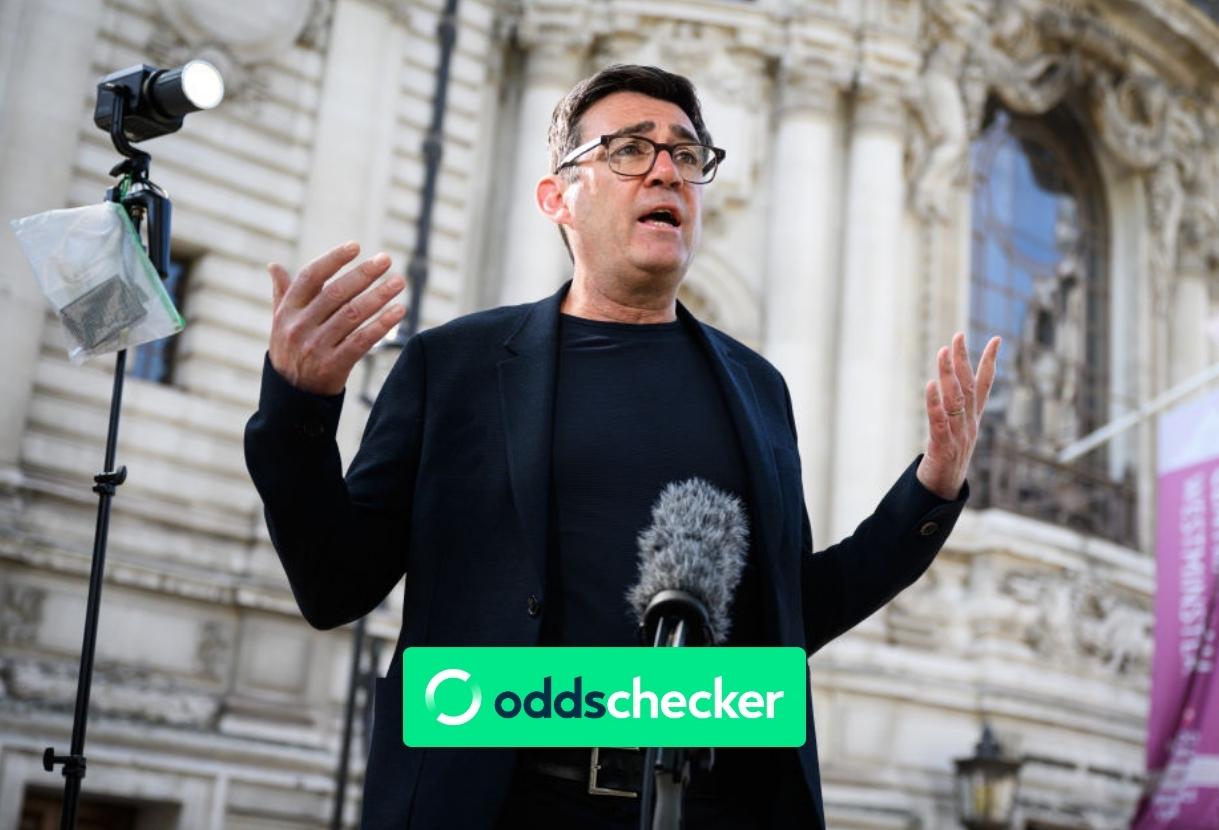
The decision follows mounting pressure from within Labour after a difficult period for the government and the emphatic by-election victory of Andy Burnham in Makerfield. While Burnham is widely viewed as the frontrunner to replace Starmer, questions are already being asked about whether voters should be given the chance to have their say through a snap General Election.
Opposition leaders, including Nigel Farage, have called for an immediate return to the polls, arguing that the country should decide who governs Britain. However, under the UK's parliamentary system, a change of prime minister does not automatically trigger a General Election.
With Labour still holding a substantial majority in the House of Commons, the party is expected to choose a new leader over the summer, who would then be invited by the King to form a government.
Below, we look at the latest odds on when Britain could next go to the polls, who is expected to succeed Starmer, and what happens next in the race for Number 10.

Paddy Power
- Trusted parent company
- Industry leader in promotions/marketing
- Competitive pricing
Next General Election Odds
Despite calls from opposition parties for a fresh mandate, Labour's sizeable Commons majority means there is no constitutional requirement for a General Election following Starmer's resignation.
The Fixed-term Parliaments Act was repealed in 2022, meaning the Prime Minister can request an election from the monarch at a time of their choosing. However, there is little indication that Labour's next leader would voluntarily head to the polls given the party's recent struggles in opinion polling.
Current betting markets suggest the most likely outcome remains a General Election taking place in 2029, although speculation around an earlier vote has intensified following the dramatic developments in Westminster.
Any shortening of the parliamentary term would likely depend on the new Labour leader's confidence in improving the party's standing with voters over the coming months.
Who Is The New Prime Minister?
At present, Britain does not have a new Prime Minister.
Starmer will remain in Downing Street in a caretaker capacity while Labour conducts its leadership election. Nominations are expected to open on July 9, with a new leader due to be announced before Parliament returns from its summer recess in September.
Andy Burnham has emerged as the overwhelming favourite to replace Starmer after his return to Westminster through last week's Makerfield by-election. The former Greater Manchester mayor is understood to have secured support from a large number of Labour MPs and union figures.
Health Secretary Wes Streeting is also expected to consider a leadership bid, while former Armed Forces minister Al Carns has been mentioned as a potential contender. Other senior figures, including Foreign Secretary Yvette Cooper, could yet enter the race.
Whoever wins the contest will become Labour leader and, because the party commands a majority in the House of Commons, will automatically become Prime Minister without the need for a General Election.

Skybet
- 24/7 live chat support
- Some of the best price boosts in the market
- Intuitive user experience
Next Labour Leader Odds
When Is The Next General Election?
The next scheduled General Election must take place no later than August 2030, although it is widely expected to be held during 2029.
Under UK law, a Parliament can last for a maximum of five years before an election must be called. Since Labour won the July 2024 General Election with a commanding majority, the current Parliament is not due to expire until 2029.
As a result, Starmer's resignation does not alter the timetable. The new Labour leader will inherit the government's majority and retain the power to decide when to ask the country to vote again.
While some politicians have argued that replacing a Prime Minister should automatically trigger an election, no such rule currently exists. Unless Labour's incoming leader chooses to seek a fresh mandate, Britain is unlikely to head to the polls until the latter stages of this Parliament.