Elon Musk Court Case Odds: Will Musk Win Lawsuit Against Sam Altman, Open AI in 2026?
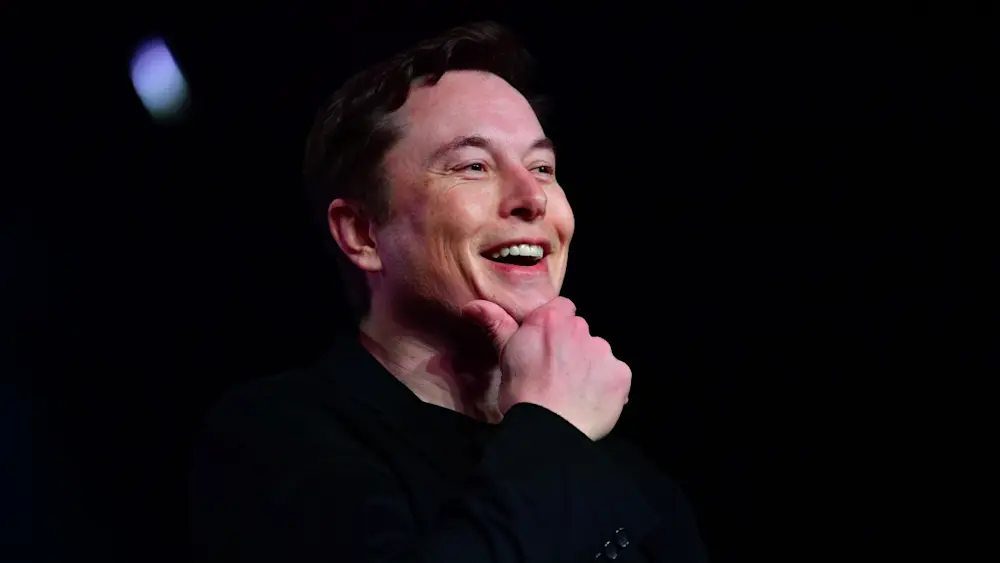
Elon Musk is in the midst of a high-profile legal battle against Sam Altman and OpenAI dating back to founding disagreements. Can Musk win the case, or are his chances dropping by the day? Peter Alexis reviews this Elon Musk Court Case Odds market from Kalshi as of Tuesday, May 5th.
Peter Alexis - May 5, 2026, 4:05 PM EDT
4 Minute ReadElon Musk vs. Sam Altman Kalshi Odds: Musk Drops to 38% Chance of Winning OpenAI Legal Battle
Elon Musk’s legal fight with Sam Altman and OpenAI has become one of the most important courtroom battles in the AI industry, and the Kalshi market has moved sharply against Musk over the past week. After trading near a 58% chance of victory, Musk has fallen to 38%, reflecting a major reset as the trial unfolds and OpenAI’s defense sharpens its argument that the lawsuit is as much about rivalry as governance.
The case centers on Musk’s claim that OpenAI abandoned its founding nonprofit mission after taking early funding from him, then shifted toward a profit-driven structure under Altman and Greg Brockman. Musk helped launch OpenAI in 2015 and later left amid disagreements over its direction, while Altman stayed on to lead the company through the ChatGPT boom. Now the two are on opposite sides of the AI race, with Musk building xAI and Grok into a competitor against the much larger OpenAI ecosystem.
Bet on Elon Musk's Court Case with Kalshi Here
Elon Musk vs. Sam Altman Court Case Odds Breakdown
Musk’s market drop from 58% to 38% reflects a trial that has become far more complicated than a clean referendum on OpenAI’s founding mission. The biggest legal blow came when Judge Yvonne Gonzalez Rogers dismissed Musk’s fraud claims, while allowing breach of charitable trust and unjust enrichment claims to proceed. That matters because fraud would have given Musk a more aggressive path to arguing deception from the start. With that portion removed, the case is narrower, and the market appears to be pricing in the difficulty of proving that OpenAI’s structure and leadership crossed the line legally rather than simply evolved in a way Musk now opposes.
The latest courtroom developments have created volatility because both sides have damaging storylines to work with. Musk’s team has pressed OpenAI president Greg Brockman over a stake reportedly worth close to $30 billion, financial ties to Altman, and questions about whether OpenAI’s leaders personally benefited from the company’s shift toward a capped-profit structure. Those details help Musk’s argument that OpenAI drifted away from its charitable foundation and became an enormous private-value machine. At the same time, OpenAI has leaned into the idea that Musk is motivated by control, resentment, and competition after failing to keep influence over the company he helped start.
The relationship between Musk and Altman is central to the market. Musk was one of OpenAI’s earliest backers and helped fund the original nonprofit vision, which was built around developing artificial intelligence for broad human benefit. But as the financial demands of frontier AI grew, the organization moved toward a structure that could attract massive capital, deepen its Microsoft partnership, and scale ChatGPT into one of the defining technology products of the era. Musk has argued that this betrayed the original mission. OpenAI’s side has countered that the mission remains intact, and that Musk supported or understood the need for a more capital-intensive model before later becoming an outside rival.
That rivalry is now impossible to separate from the odds. Musk owns X and has embedded Grok into the platform through xAI, giving him a direct AI product in the same arena as ChatGPT. Grok has visibility, distribution, and Musk’s personal brand behind it, but OpenAI remains the larger force in consumer AI, enterprise AI, and public imagination. That competitive backdrop cuts both ways. It gives Musk a clear reason to attack OpenAI’s structure, but it also gives OpenAI a clear argument that the lawsuit is not purely about nonprofit principles. When a plaintiff is also a direct competitor, the market becomes more skeptical of motive, especially in a case where Musk is seeking major remedies against OpenAI’s leadership and structure.
The most damaging short-term development for Musk may be the perception that his leverage has weakened inside the courtroom. Recent filings said Musk sought a potential settlement shortly before trial, including pressure on Brockman to resolve the dispute before testimony became more public. That does not decide the legal merits, but it can influence how traders read momentum. A move from 58% to 38% suggests Kalshi traders now see Musk’s case as still alive but no longer favored, with the burden shifting from headline-friendly claims about OpenAI’s mission to the harder legal task of proving that Altman, Brockman, and OpenAI violated duties in a way that justifies major court intervention.
More of oddschecker